
Gum health plays a critical role in your overall oral health. Gum disease is one of the most common dental conditions, yet it often develops quietly in its early stages. At Roman Dental Arts, we emphasize early detection and prevention to help patients avoid more advanced periodontal problems.
Understanding the early warning signs can help you seek treatment before gum disease leads to tooth loss or more serious complications.
 What Is Gum Disease?
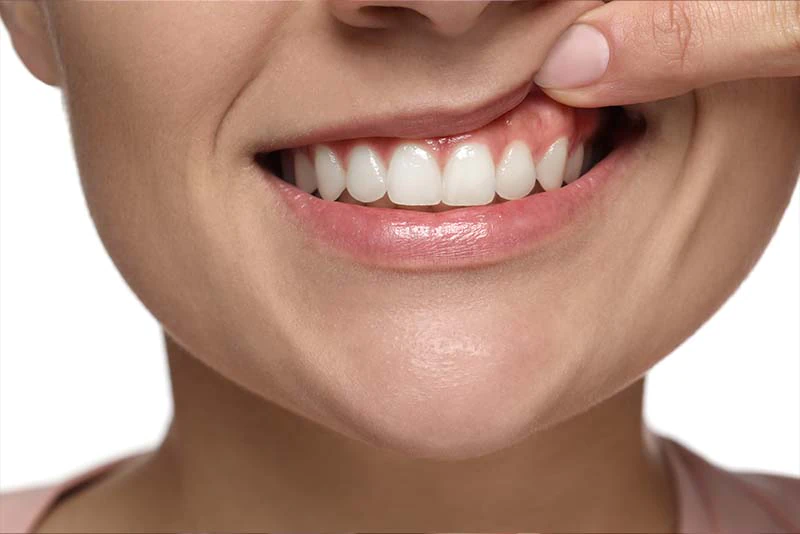
Gum disease, also known as periodontal disease, is an infection of the tissues that support your teeth. It typically begins with plaque buildup along the gumline, which causes inflammation.
There are two main stages:
- Gingivitis. Early stage, characterized by gum inflammation that is often reversible
- Periodontitis. Advanced stage, where gums and bone supporting the teeth begin to break down
Early intervention is key to preventing long-term damage.
Early Symptoms of Gum Disease
Gum disease often starts subtly. Common early signs include:
Bleeding Gums
Gums that bleed during brushing or flossing are one of the first signs of inflammation.
Red or Swollen Gums
Healthy gums should appear firm and pink. Redness, puffiness, or tenderness may indicate infection.
Persistent Bad Breath
Ongoing bad breath or a bad taste in the mouth can result from bacterial buildup below the gumline.
Gum Sensitivity
Mild discomfort or tenderness when brushing or eating can signal early gum issues.
Periodontal Disease: More Advanced Symptoms
If gum disease progresses, symptoms may become more noticeable and serious:
- Receding gums that make teeth appear longer
- Loose or shifting teeth
- Changes in bite alignment
- Pus between the teeth and gums
- Increased tooth sensitivity
At this stage, damage to the supporting bone may already be occurring.
Risk Factors for the Increased Likelihood of Gum Disease
Certain factors can increase the risk of developing gum disease, including:
- Inconsistent oral hygiene habits
- Smoking or tobacco use
- Diabetes or other systemic health conditions
- Hormonal changes
- Genetic predisposition
- High plaque buildup
Even patients who brush regularly can still develop gum disease, which is why routine dental visits are essential.
When to See a Dentist
You should schedule a dental visit or periodontal exam outside of your regular cleanings if you notice:
- Bleeding gums that persist for more than a few days
- Gum recession or tooth sensitivity that is worsening
- Chronic bad breath that does not improve with hygiene changes
- Loose teeth or noticeable changes in your bite
Early treatment may include deep cleaning procedures and personalized periodontal care to restore gum health and prevent progression.
Protecting Your Gum Health
Preventing gum disease involves a combination of daily habits and professional care:
- Brush twice daily with a fluoride toothpaste
- Floss once a day to remove plaque between teeth
- Maintain regular dental cleanings and exams
- Avoid tobacco products
- Follow individualized recommendations from your dental team
Healthy Gums, Healthy Smile
Gum disease is highly treatable in its early stages and manageable even in more advanced cases when addressed promptly. Awareness of symptoms is the first step toward protecting your long-term oral health.
If you are experiencing any signs of gum disease or have concerns about your gum health, contact Roman Dental Arts to schedule an evaluation and receive personalized care.